

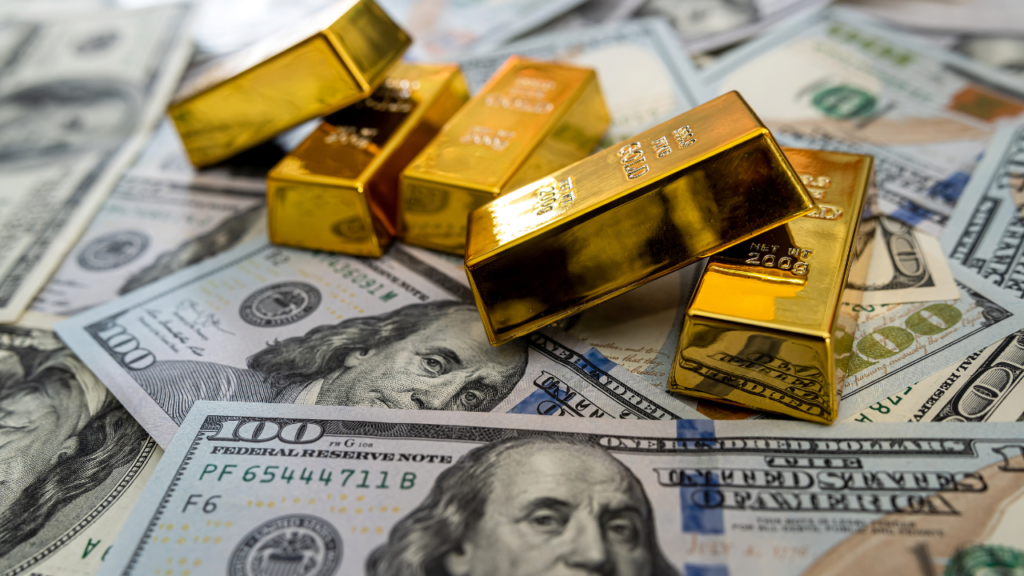
📖 About This Summary
This article is based on the discussion "Alasdair Macleod: China Ends Retail Paper Gold and Opens the Floodgates" on Mining Network, featuring Alasdair Macleod, economist and Head of Research at GoldMoney. All content is edited and annotated by Time Health Capital.
Two policy changes from China arrived in the same week. Several Chinese banks banned retail investors from trading paper gold. Hong Kong opened a new physical gold settlement system. And the People's Bank of China quietly removed the requirement that gold exports be individually approved before leaving the country.
None of these moves are unrelated. Together they represent a deliberate shift in how China wants its citizens to hold gold, and what China expects the monetary system to look like on the other side of the transition it has been preparing for since before 2002.
"Number one money is gold. No counterparty risk. Number two money is probably silver. No counterparty risk. If you have currencies, those are credit. Their value is not tied to real money at all. It is imaginary money." - Alasdair Macleod, Head of Research, GoldMoney
🏦 China's Gold Strategy Predates Everything You Think You Know About It
China's relationship with gold did not begin with recent central bank buying headlines.
Macleod traces it back to the earliest days of China's engagement with capitalism. Chinese policymakers understood from the outset that fiat currencies always fail. Their response was not to avoid the fiat system. It was to participate in it while secretly accumulating gold on a massive scale as protection against its eventual collapse.
From approximately 1983 to 2002, China accumulated gold off-balance sheet, distributed across Communist Party organizations including the People's Liberation Army and the Youth Wing of the Communist Party. This was not reported in official foreign exchange reserve figures. Ordinary Chinese citizens were not permitted to own gold during this period, eliminating domestic competition for the supply the state was quietly acquiring.
Macleod's estimate: China holds approximately 20,000 tonnes of gold off-balance sheet, in addition to whatever it officially reports. Nobody outside the Chinese government knows the real number.
In 2002, the Shanghai Gold Exchange opened and Chinese citizens were permitted to own gold for the first time. Since then, they have taken delivery of over 28,000 tonnes through that exchange alone.
China has been Hotel California for gold. It goes in and it does not come out. Until now.
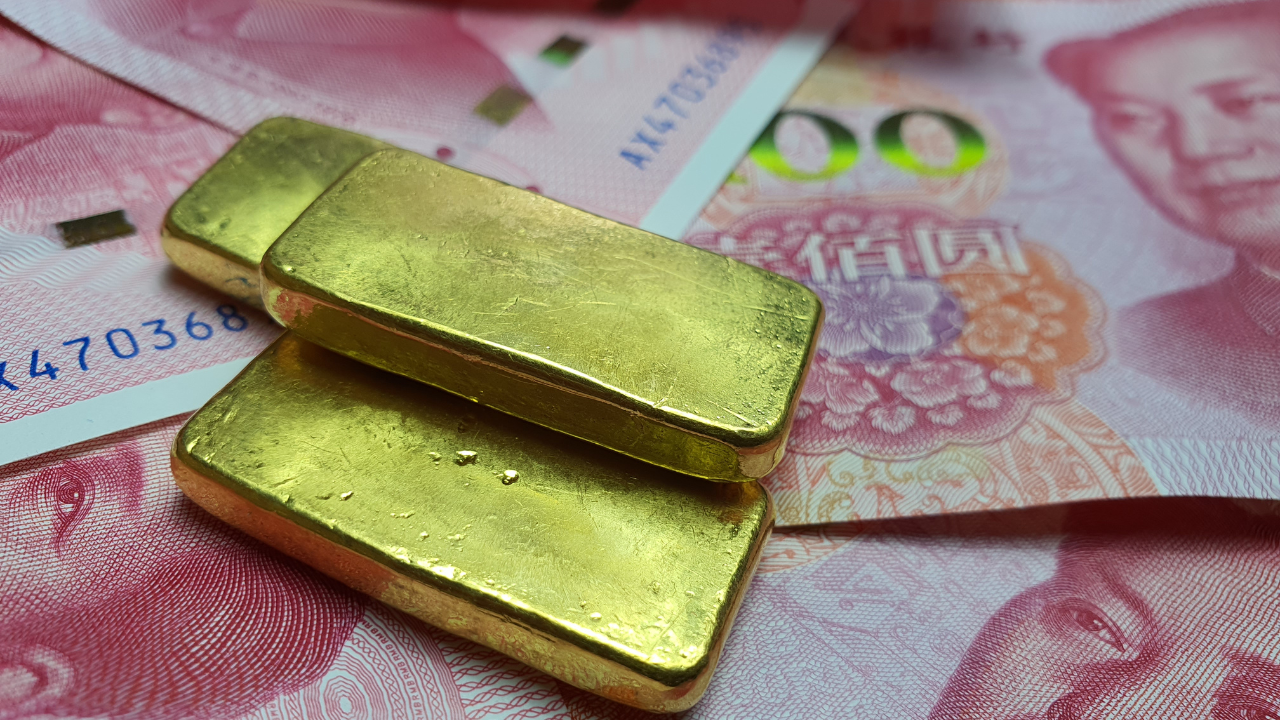
🔓 What Removing the Export Restriction Actually Signals
The People's Bank of China has announced it is no longer requiring individual export approval for gold leaving the country.
Previously, if you wanted to take gold out of mainland China, you needed the PBOC to sign off on the specific transaction. In practice, almost no gold left China except small quantities flowing into Hong Kong through the jewelry trade. China was a one-way valve for gold: inflows only.
Removing that restriction creates free physical flow between mainland China and Hong Kong for the first time. Combined with Hong Kong's new physical gold settlement system, this means Hong Kong now has the infrastructure to become a genuinely liquid physical gold market with deep mainland supply behind it.
This is not a minor policy adjustment. It is the first time in decades that China has allowed gold to move freely at the border.
The question is why now. Macleod's answer: because the timeline for the transition they have been preparing for is accelerating, and they need the infrastructure in place before it arrives.
📄 Why China Is Banning Paper Gold for Retail Investors
The simultaneous decision to ban retail paper gold trading at Chinese banks is the more instructive of the two moves.
Paper gold, in this context, means a bank account or trading position denominated in gold units but settled in fiat currency. The investor does not receive physical metal. They receive a number on a screen that tracks the gold price, denominated in yuan, settled in yuan, with the bank as counterparty.
China is telling its retail investors to stop holding that.
The implication is specific. If the fiat currency system China has been preparing for the failure of is now approaching that failure, then paper gold settled in fiat currency is not actually protection. It is exposure to the very system it is supposed to hedge. When the fiat currency fails, a paper gold position settled in that currency fails with it.
Physical gold has no counterparty risk because it is not anyone's liability. Paper gold's value depends entirely on the creditworthiness of the institution that issued it and the currency that settles it.
China is not just encouraging its citizens to hold gold. It is specifically directing them away from the version of gold exposure that carries the same risk as holding cash.
💵 The Dollar Has Already Lost 99% of Its Value Since 1971
Macleod's framing of currency versus money is worth sitting with directly.
An investor who holds a gold ETF and measures their return in dollars is, in his words, accounting in dollars. They are using gold as a speculative counter to generate dollar profits. They are not treating gold as money. They are treating the dollar as money and gold as a trade.
If you account in gold instead of dollars and measure what happened to the dollar since Nixon closed the gold window in 1971, the calculation is unambiguous. The dollar has lost more than 99% of its value relative to gold in that time.
- In 1971, one ounce of gold was approximately $35.
- Today, one ounce trades above $3,000.
- The gold did not become more valuable. The dollars became less valuable.
If your savings are in dollars, you are holding the asset that has declined 99% against money since 1971. That framing changes the conversation entirely.
For physicians whose income, savings, and retirement accounts are entirely denominated in dollars, this is not a theoretical point. It is the actual track record of the instrument they are holding most of their accumulated wealth in.
📊 What This Is and What It Is Not
This discussion is not predicting an imminent dollar collapse or a specific timeline for a monetary reset.
Macleod is explicit that he does not know exactly when the transition occurs. What he is describing is a direction and a preparation, not a date.
What is established:
- China has spent decades accumulating physical gold off-balance sheet while participating in the fiat system it was hedging against.
- China has simultaneously banned retail paper gold, opened physical settlement infrastructure in Hong Kong, and removed export restrictions on gold, all in the same week.
- The distinction between physical gold and paper gold is not technical. It is the difference between an asset with no counterparty risk and a position whose value depends on fiat currency settlement.
The most extreme conclusions in this discussion, that currencies are about to become worthless, that collapse is imminent, are not the part that requires acting on. The structural observation underneath them is.
👀 What to Watch From Here
- Hong Kong physical gold trading volumes following the settlement system launch, which will indicate whether mainland supply is actually flowing and creating the liquidity Macleod expects.
- Whether other major economies follow China in restricting paper gold instruments, which would signal a broader institutional move toward requiring physical settlement.
- Central bank gold purchase data from the World Gold Council, particularly any acceleration in buying from BRICS-aligned nations following China's policy shift.
- The spread between paper gold prices and physical delivery premiums, which historically widens when institutional confidence in paper settlement weakens.
💡 Our Commentary / What It Means for Us
At Time Health Capital, the most useful reframe from this discussion is about what kind of gold exposure actually does the job it is supposed to do.
Most physicians who have any precious metals exposure hold it through ETFs or similar instruments. They are accounting in dollars, measuring their position in dollars, and will settle in dollars if they ever exit. Macleod's argument is that this is not gold ownership in the sense that matters during a monetary transition. It is a dollar-denominated bet on the gold price.
China just directed its retail investors away from exactly that instrument and toward physical possession. That policy decision, made by the government that has spent more than four decades quietly accumulating physical gold as protection against the fiat system it was simultaneously using, is worth understanding before dismissing.
Three things worth sitting with:
- Physical gold and paper gold carry fundamentally different risk profiles. Physical has no counterparty. Paper depends on the institution that issued it and the currency that settles it.
- The dollar losing 99% of its value against gold since 1971 is not a forecast. It is the actual historical record. A financial plan built on dollar-denominated assets without any real money hedge is a plan built on an instrument with that track record.
- China's simultaneous policy moves, banning paper gold, opening physical settlement, removing export restrictions, happened in the same week for a reason. Governments that have spent decades preparing for a transition do not make three coordinated structural moves by accident.
Clarity over noise. Discipline over activity. Long-term positioning over short-term reaction.
❓ Questions and Implications for Readers
- If your gold exposure is through an ETF settled in dollars, are you holding real money with no counterparty risk, or a dollar-denominated position that tracks the gold price?
- The dollar has lost more than 99% of its value against gold since 1971. How much of your accumulated wealth is denominated in that instrument?
- China banned the paper version of gold exposure for its retail investors at the exact moment it opened physical settlement infrastructure. What does that sequence tell you about which form of exposure they believe will hold value through what comes next?
- If the financial pressure inside medicine is already compressing your income from the inside, what is your plan if the currency that income is denominated in continues its historical trajectory?
🎥 Prefer to Watch the Full Discussion?
Alasdair Macleod: China Ends Retail Paper Gold and Opens the Floodgates - Mining Network
💡 Ready to explore real asset strategies? Talk directly with Dr. Ozoude at Time Health Capital.
Schedule a Conversation



Disclaimer: This summary is based on the video "Alasdair Macleod: China Ends Retail Paper Gold and Opens the Floodgates" on Mining Network. All rights to the original content belong to the creator. Time Health Capital provides this article for educational and informational purposes only, not as investment advice.