


📖 About This Summary
This article is based on the discussion "Reset Survivor Warns: The Dollar Isn't Different — It's Just Next" on ITM Trading, featuring Fernando Grijalva, senior analyst and international trade specialist. All content is edited and annotated by Time Health Capital.
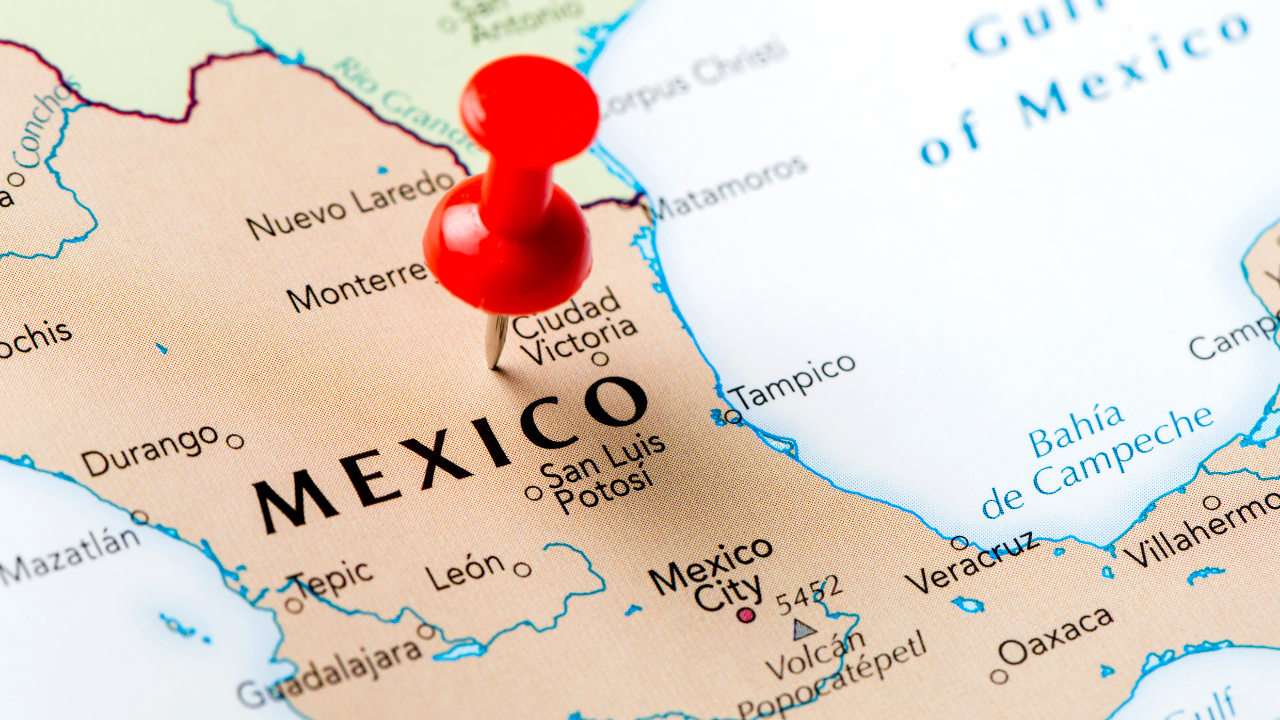
Fernando Grijalva did not learn about currency resets from a textbook. He watched one happen from the inside. As a young businessman in Tucson running an international trade company in the 1980s, he had a front-row seat to the Mexican peso crisis. What he saw shaped four decades of thinking about money, purchasing power, and what it means to be positioned correctly when a currency loses its anchor.
This discussion is filtered of promotional content. What remains is the framework and why it applies directly to physicians building financial independence when both the medical system and the dollar are under structural pressure simultaneously.
"The reset is not going to be the end of the world. This is just money. It's not personal. At the reset, if you're properly positioned in the right asset at the right time, there are huge opportunities." — Fernando Grijalva, Senior Analyst, ITM Trading
🏛️ He Watched It Happen in Mexico. He Says the Setup Looks Familiar.
In the early 1990s, the Mexican peso collapsed.
Fernando was not reading about it afterward in a publication. He was running a business across the border, with contacts inside Mexican industry sharing real-time information as conditions deteriorated. He watched the warning signs accumulate before the official announcement, and the aftermath play out for those who were positioned and those who were not.
His summary of the two groups: the restaurants were still open. The steakhouses were still serving. Commerce continued. The difference was whether you could afford to participate in it.
The reset does not end the economy. It resets who can access it.
That framing has informed how he thinks about every currency transition since, including what he believes is already underway with the U.S. dollar.
🌍 BRICS Is Not Trying to Replace the Dollar. That Is the Wrong Question.
The most misunderstood development in global currency markets is what the BRICS nations are actually building.
The common framing, that China, Russia, Brazil, India, and their allies want to create a new global reserve currency, is not accurate. The goal is simpler and more immediately significant: the ability to trade with each other without needing dollars at all.
The practical consequence:
- Every transaction that previously required dollars to settle no longer requires them.
- Global demand for dollars shrinks transaction by transaction, without a single dramatic announcement.
- The process compounds quietly through bilateral agreements and alternative settlement infrastructure being built right now.
The dollar does not need to be dethroned to lose purchasing power. It only needs global demand for it to decline.
🏦 When Banks Ask What You Want Your Own Money For
One of the more observable symptoms Fernando describes is increasingly familiar to anyone handling significant cash transactions: banks asking customers to justify why they want access to their own deposits.
This is not standard procedure from ten years ago. It reflects informal capital controls tightening, the banking system becoming a gatekeeper for how money moves even within the domestic economy.
The early signals of a currency under stress do not arrive as a press conference. They arrive as friction, small incremental restrictions that collectively signal the system is tightening around the asset it is trying to protect.
Difficulty accessing your own capital is not a banking policy. It is a stress signal.
📉 Nominal vs. Real: The Distinction That Determines Everything
The central concept in this discussion is the difference between nominal and real value.
A number on a bank statement is nominal. What that number actually buys is real. These two things can move in opposite directions for extended periods.
The peso crisis illustrated this directly. Accounts denominated in pesos held their nominal value right up until they did not. People who held land, gold, or foreign currency found their real purchasing power preserved while those around them discovered their nominal savings had been quietly hollowed out.
- Savings growing 3% while inflation runs at 5% are nominally increasing and really declining.
- A real asset that appreciates with the nominal price level preserves purchasing power regardless of what the dollar does.
- The currency doing the denominating matters less than the underlying asset being held.
Physicians are paid in dollars. Reimbursements are set in dollars. If the dollar's purchasing power declines, a flat reimbursement rate is a real pay cut — even when the number on the check does not change.
🥇 The Number Still on the Books: $42.22
Gold held by the U.S. government is carried on official books at $42.22 per ounce, a figure set during the Bretton Woods era. Spot gold trades at a multiple of that number.
A potential official revaluation has surfaced in recent political commentary, including public statements about revisiting Fort Knox. Whether or not a formal revaluation occurs, the gap between official book value and market price is a structural detail worth understanding.
It has happened before. The 1934 Gold Reserve Act moved the official price from $20.67 to $35 per ounce overnight. Holders of gold at $20 woke up to a 69% nominal gain without any action on their part.
No one can predict whether or when a revaluation occurs. What is observable is that the gap exists, and has existed for decades, entirely on purpose.
👀 What to Watch From Here
- BRICS settlement volumes and bilateral trade agreements denominated outside the dollar, visible in quarterly BIS data.
- Central bank gold purchase volumes published quarterly by the World Gold Council.
- U.S. debt-to-GDP trajectory and interest expense as a percentage of federal revenue.
- Any official commentary on Fort Knox audits or gold revaluation — preliminary statements have historically preceded formal policy shifts by months to years.
💡 Our Commentary / What It Means for Us
At Time Health Capital, the most important takeaway from Fernando's story is not about gold prices. It is about what it costs to hold only the asset being debased.
Physicians are paid in dollars. Reimbursements are set in dollars. Savings compound in dollars. When that dollar loses purchasing power, every one of those positions loses real value simultaneously, without a single announcement.
Fernando did not buy gold after the peso reset. He bought it when the signals were early and most people around him were still dismissing them. That is the only window that matters.
Three things:
- Central banks are buying gold at rates not seen in decades. They are not doing that because they think everything is fine.
- A sustained period of inflation above nominal yield transfers value from savers to debtors quietly and continuously. No dramatic event required.
- Real asset positioning is not a bet against the dollar. It is the same diversification every institutional investor already uses, applied to the one risk most individual portfolios carry completely unhedged.
Clarity over noise. Discipline over activity. Long-term positioning over short-term reaction.
❓ Questions and Implications for Readers
- If your savings, income, and retirement projections are all denominated in the same currency, what is your actual diversification against the risk that currency loses purchasing power?
- Reimbursements set in nominal dollars in a declining purchasing power environment represent a real pay cut every year the number stays flat. How does your financial plan account for that compounding?
- Central banks globally have been buying gold at rates not seen in decades. What does that signal about how institutions managing national reserves assess currency risk?
- If the dollar's global transaction role declines gradually through BRICS settlement infrastructure, what does that imply for the demand that has historically supported its value?
🎥 Prefer to Watch the Full Discussion?
Reset Survivor Warns: The Dollar Isn't Different — It's Just Next — ITM Trading
💡 Ready to explore real asset strategies? Talk directly with Dr. Ozoude at Time Health Capital.
Schedule a Conversation



Disclaimer: This summary is based on the video "Reset Survivor Warns: The Dollar Isn't Different — It's Just Next" on ITM Trading. All rights to the original content belong to the creator. Time Health Capital provides this article for educational and informational purposes only, not as investment advice.