

📖 About This Summary
Summary based on the discussion “🚨 BREAKING IRAN: Targets Banks | Oil Shock | J.P. Morgan Halts Credit” from the Real Estate Mindset channel. Edited and annotated by Time Health Capital.
This discussion examines how escalating geopolitical tensions involving Iran could intersect with existing financial vulnerabilities — including oil market disruptions, private credit stress, and potential contagion across global financial institutions.
Wars rarely create financial fragility from nothing — they expose where leverage already exists.
🌍 Iran Threats Raise Concerns for Financial Institutions
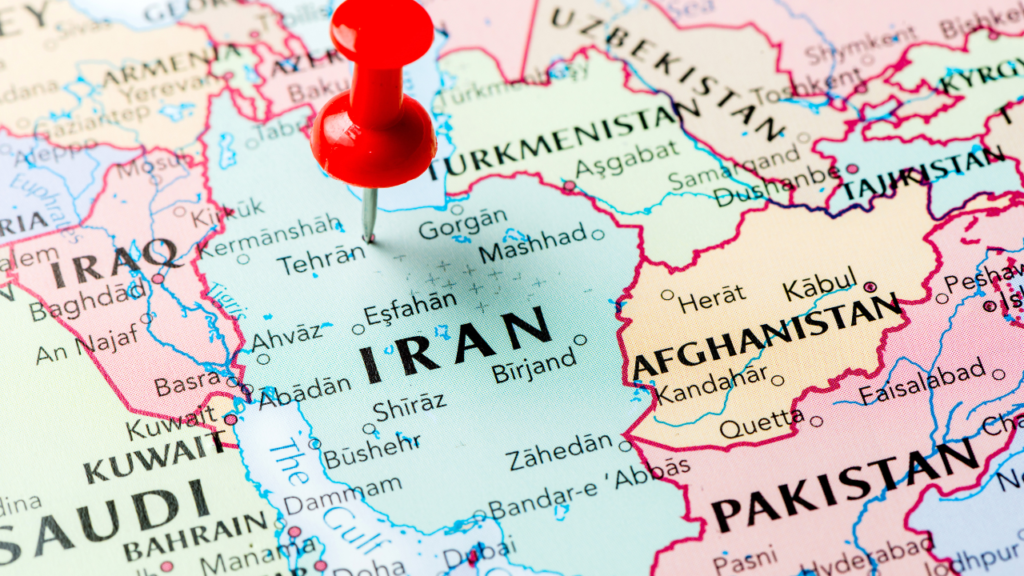
Reports of rising tensions in the Middle East have increased concern across global banking networks. Threats directed at U.S.-linked financial institutions in the region have reportedly prompted precautionary actions by several international banks.
- Remote-work policies for certain staff
- Evacuation or relocation of employees from selected regional offices
- Heightened attention to operational continuity in the Middle East
These moves are primarily framed as safety precautions, but they also illustrate how geopolitical instability can directly affect financial infrastructure, staffing, and cross-border operations.
🛢 Oil Markets React First — and Fast
Energy remains one of the most sensitive transmission channels between geopolitical conflict and the global economy. Tensions involving Iran and the Strait of Hormuz raise concern because this corridor remains one of the most important oil shipping routes in the world.
- Roughly 20% of global oil supply moves through the Strait of Hormuz
- Even temporary disruptions can affect global pricing
- Markets tend to price risk before actual supply loss occurs
The discussion notes that policymakers have previously responded with coordinated strategic reserve releases to stabilize energy markets when supply risks intensify.
🏦 Private Credit and Cross-Collateralization Risks
Another key theme is the interconnectedness of modern financial markets. Large banks, private equity firms, and private credit funds often operate through networks of leveraged exposures that can transmit stress quickly.
- Cross-collateralized loans
- Leveraged credit facilities
- Derivative-linked structures
When asset values fall or liquidity tightens in one area, the stress can spread through these connections. That can force institutions to sell assets, reduce lending, or tighten terms in ways that amplify volatility.
📊 Energy Prices Could Drive the Macro Outcome
The discussion emphasizes that energy prices may be the most important variable in determining whether geopolitical risk becomes a broader economic problem.
Higher oil prices typically:
- Increase inflation pressure
- Raise transportation and manufacturing costs
- Reduce consumer purchasing power
- Pressure corporate profit margins
If elevated oil prices persist alongside slowing growth, the result could resemble a stagflationary setup — weaker activity combined with sticky price pressure.
📉 War May Expose Existing Financial Fragilities
A key argument raised is that geopolitical shocks rarely create financial crises on their own. More often, they expose weaknesses already embedded in the system.
Concerns highlighted include:
- Over-leveraged financial institutions
- Private credit market stress
- Liquidity pressure in non-bank lending sectors
If geopolitical instability accelerates risk-off sentiment, these preexisting vulnerabilities could become more visible very quickly.
🥇 Precious Metals and Alternative Assets
In periods of geopolitical uncertainty, investors often rotate toward assets perceived as safer or less exposed to traditional financial risk.
- Gold and silver often respond positively to geopolitical shocks
- Commodity markets can become more volatile
- Crypto markets may also attract speculative flows
However, the performance of these assets still depends on broader liquidity conditions and how central banks respond to inflationary or growth shocks.
💡 Our Commentary / What It Means for Us
Events like geopolitical conflict capture headlines, but the deeper story usually lies in structural financial vulnerability. The biggest issues investors should monitor include:
- Liquidity conditions in private credit
- The stability of highly leveraged financial institutions
- Energy price volatility
- Central bank responses to inflation shocks
If energy prices remain elevated while credit markets tighten, the global economy could face a difficult environment where growth slows as financial risks increase.
For long-term investors, the key is not predicting geopolitical events precisely — it is understanding how macro shocks interact with leverage, liquidity, and market psychology.
❓ Questions & Implications for Readers
- Could geopolitical conflict trigger stress in already fragile credit markets?
- How vulnerable are private credit funds to liquidity shocks?
- What would sustained oil prices above $100 mean for inflation?
- Could energy disruptions force central banks to rethink monetary policy?
- How should investors prepare for volatility tied to geopolitical risk?
🎥 Prefer to Watch the Full Discussion?
Watch the original video here:
Real Estate Mindset — 🚨 BREAKING IRAN: Targets Banks | Oil Shock | J.P. Morgan Halts Credit
💡 Ready to explore alternative asset strategies? Talk directly with Dr. Ozoude at Time Health Capital.
Schedule a Call with Dr. Ozoude



Disclaimer: This summary is based on the video “🚨 BREAKING IRAN: Targets Banks | Oil Shock | J.P. Morgan Halts Credit” by Real Estate Mindset. All rights to the original content belong to the creator. Time Health Capital provides this article for educational and informational purposes only — not as investment advice.